
October 8, 2026
Industry Technology News

MIDCOM Data Technologies, Inc., parent company of MIDCOM Service Group, has named Ken Feinstein its new President and Chief Executive Officer, effective October 1, 2026. Feinstein steps into the role after serving as Vice President, where he played a key role in the company’s executive leadership and helped drive growth
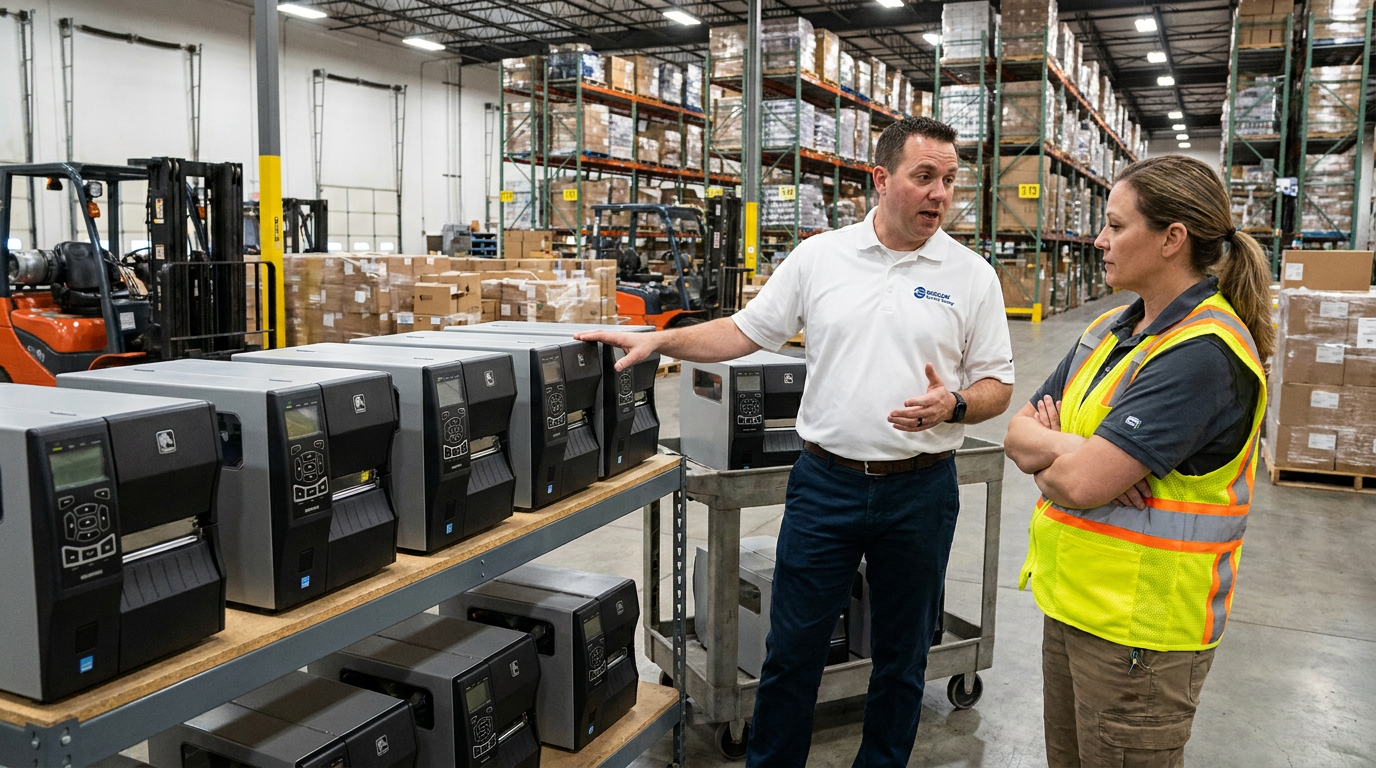
Managing printers you can’t walk up to Printer fleet management software gives you remote visibility and control over every thermal printer in your operation — status, configuration, firmware, and usage — from one console instead of one printer at a time. The value shows up at scale: configuring twelve printers
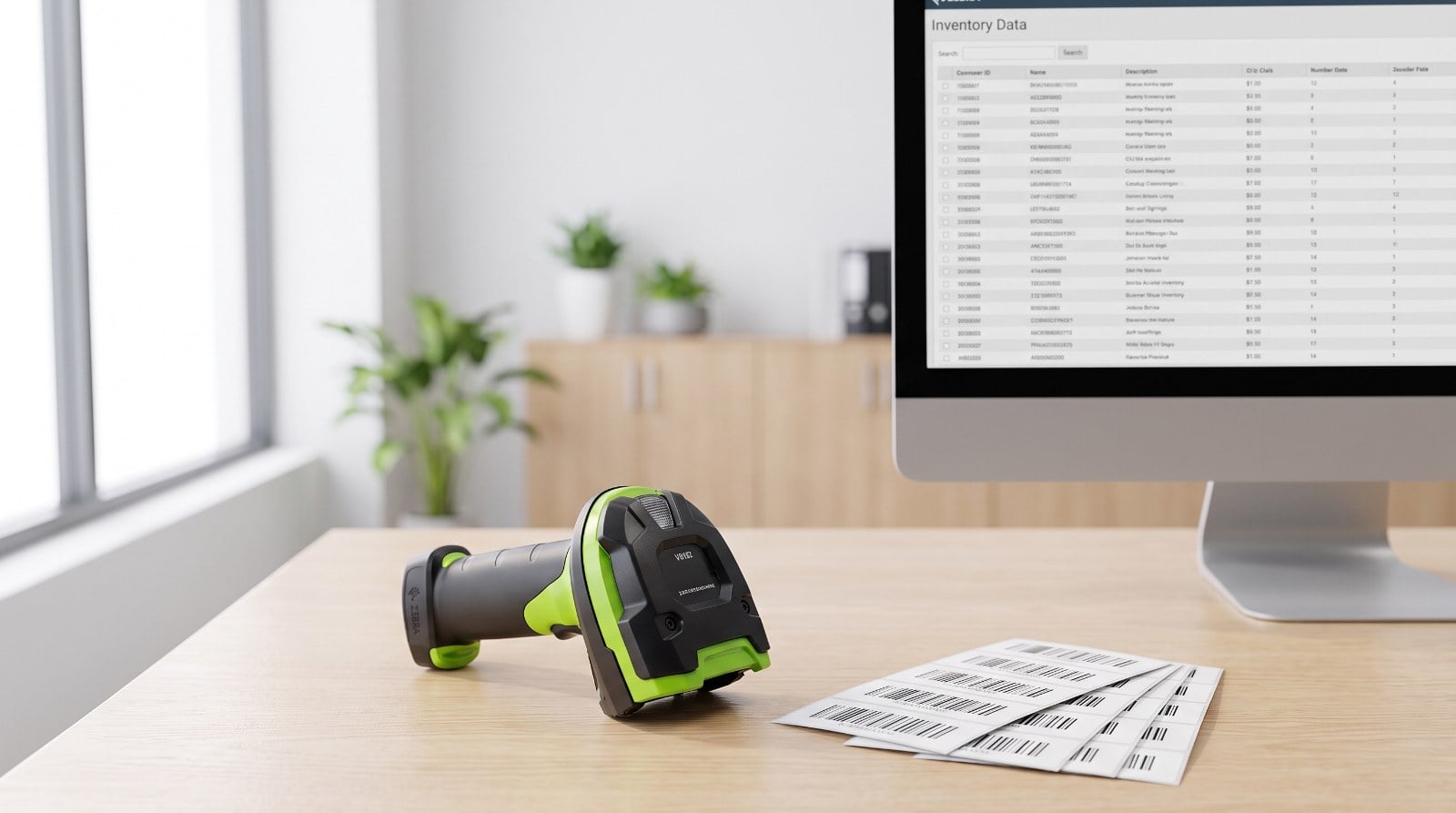
When the scan works and the data is still wrong Barcode data quality problems are the ones that don’t announce themselves. The scanner beeps, the operator moves on, and the wrong SKU lands in inventory — because the barcode scanned correctly but encoded the wrong thing, or the scanner truncated
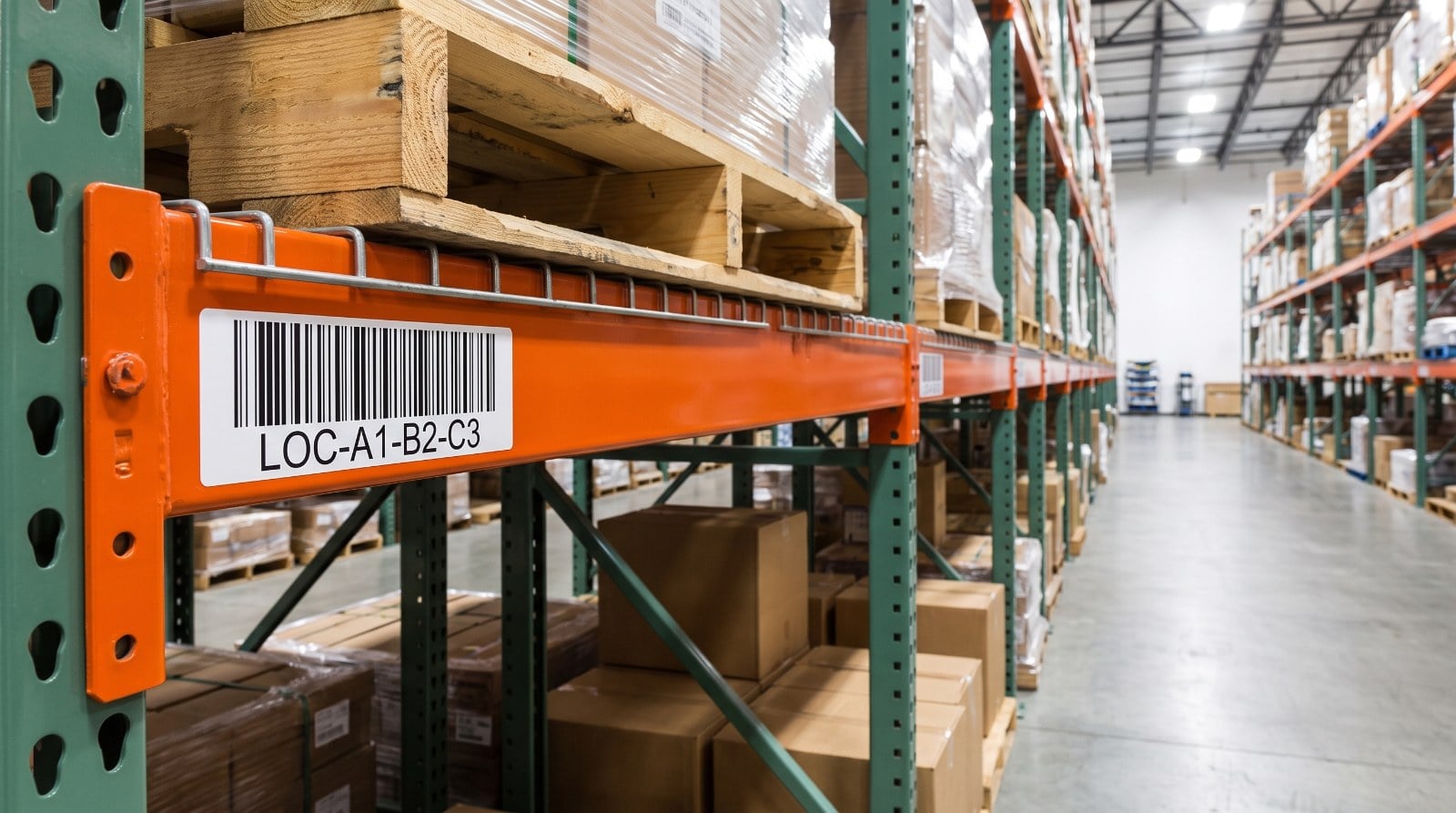
Why location labeling decides your pick accuracy A warehouse location labeling system is the addressing scheme that tells every worker and every scan exactly where something is. Get it right and a new hire finds a bin on their first day. Get it wrong and you spend years working around
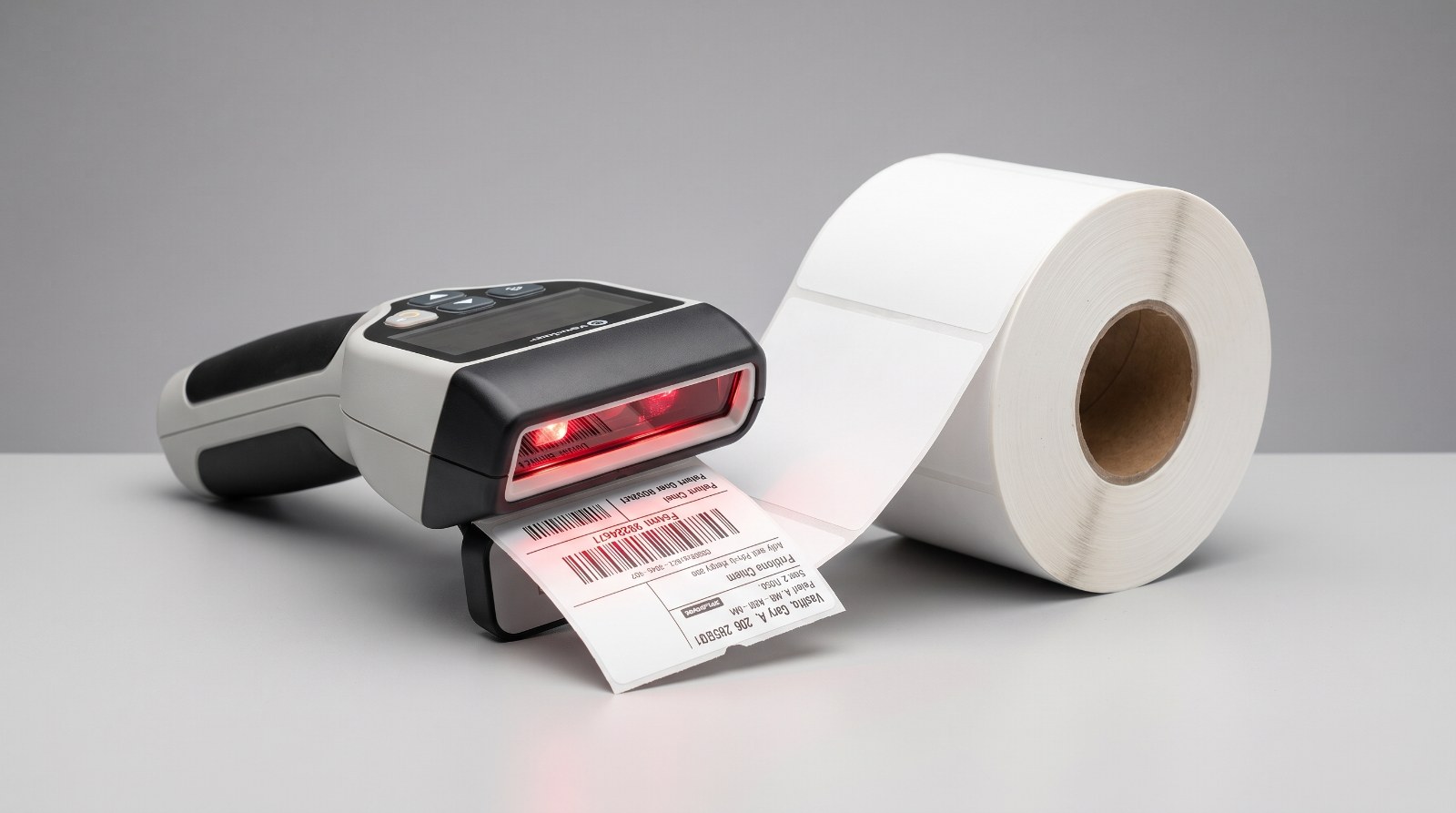
What a barcode quality grade actually measures A barcode verification grade is a letter score from A to F that says how closely a printed barcode matches the ISO standard for readability — not whether your scanner happens to read it today. A scanner tells you “it scanned.” A verifier
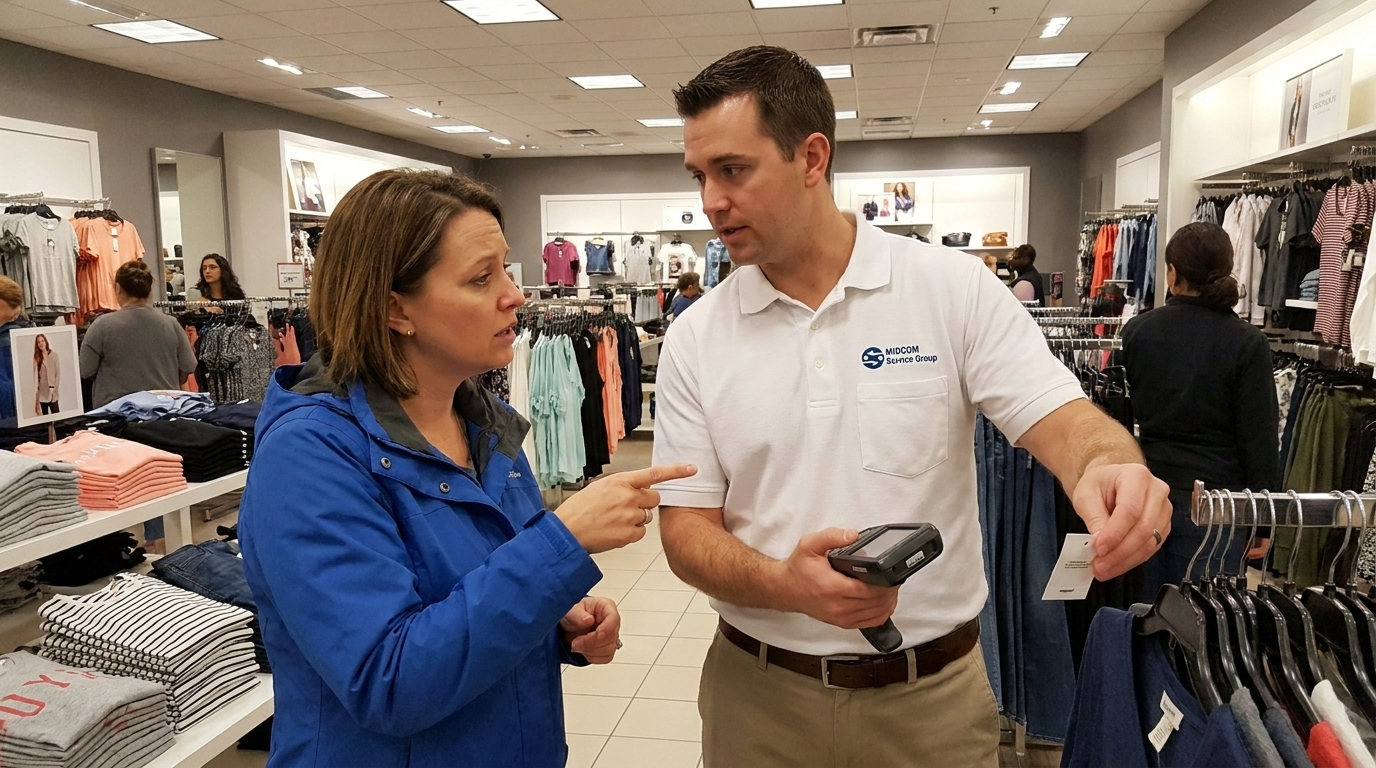
A customer asks for a shirt in a specific size. The inventory system shows one in stock, but the item is nowhere on the expected rack. It may have been returned to the wrong fixture, left in the stockroom, moved to another department, or removed from the store without the

Why your barcode scanners die before the shift ends A cordless barcode scanner rated for a 12-hour shift will often quit after 5 or 6 hours once the battery has been through a year of daily charging. Lithium-ion cells lose roughly 20% of their capacity after 500 charge cycles, which
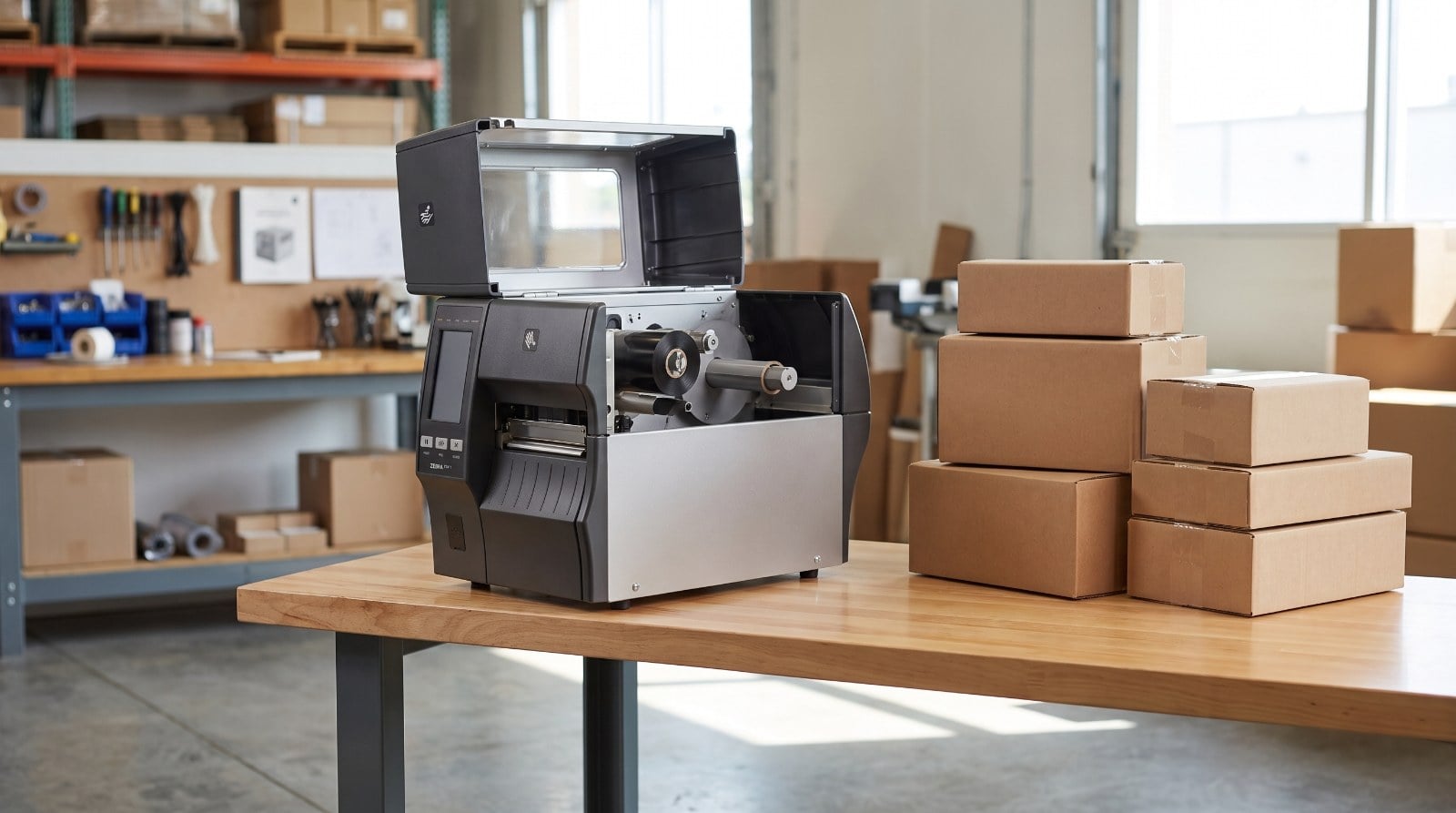
What an hour of printer downtime actually costs When a label printer goes down on a shipping line, the cost isn’t the repair bill — it’s the idle labor, the missed carrier cutoff, and the orders that ship a day late. A pack station running 400 labels an hour with
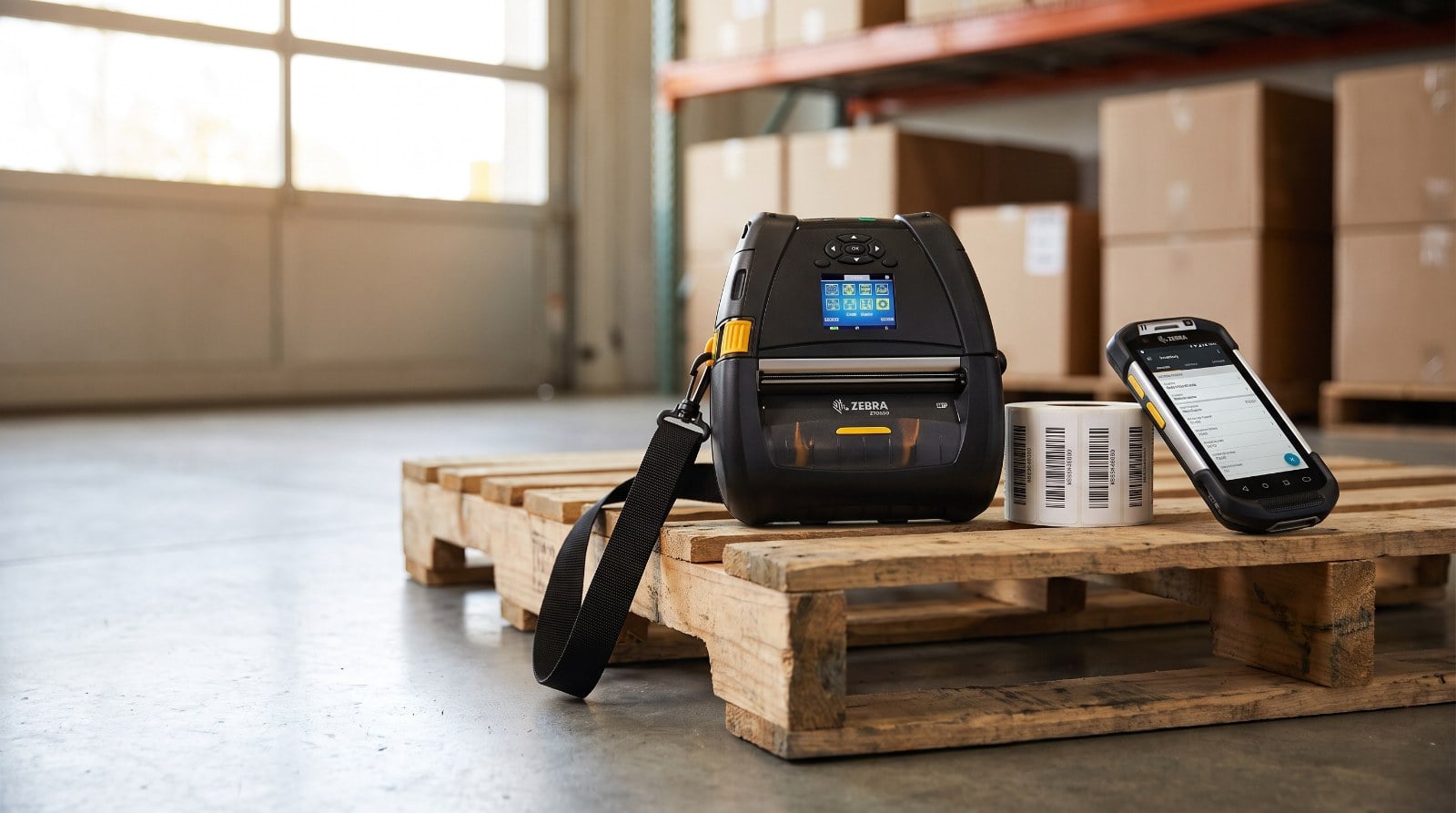
What mobile printing does that a fixed printer can’t A mobile label printer is a belt-worn or shoulder-strapped thermal printer that produces labels at the point of application instead of at a fixed station. The value isn’t the printer — it’s eliminating the walk. In a receiving operation where workers
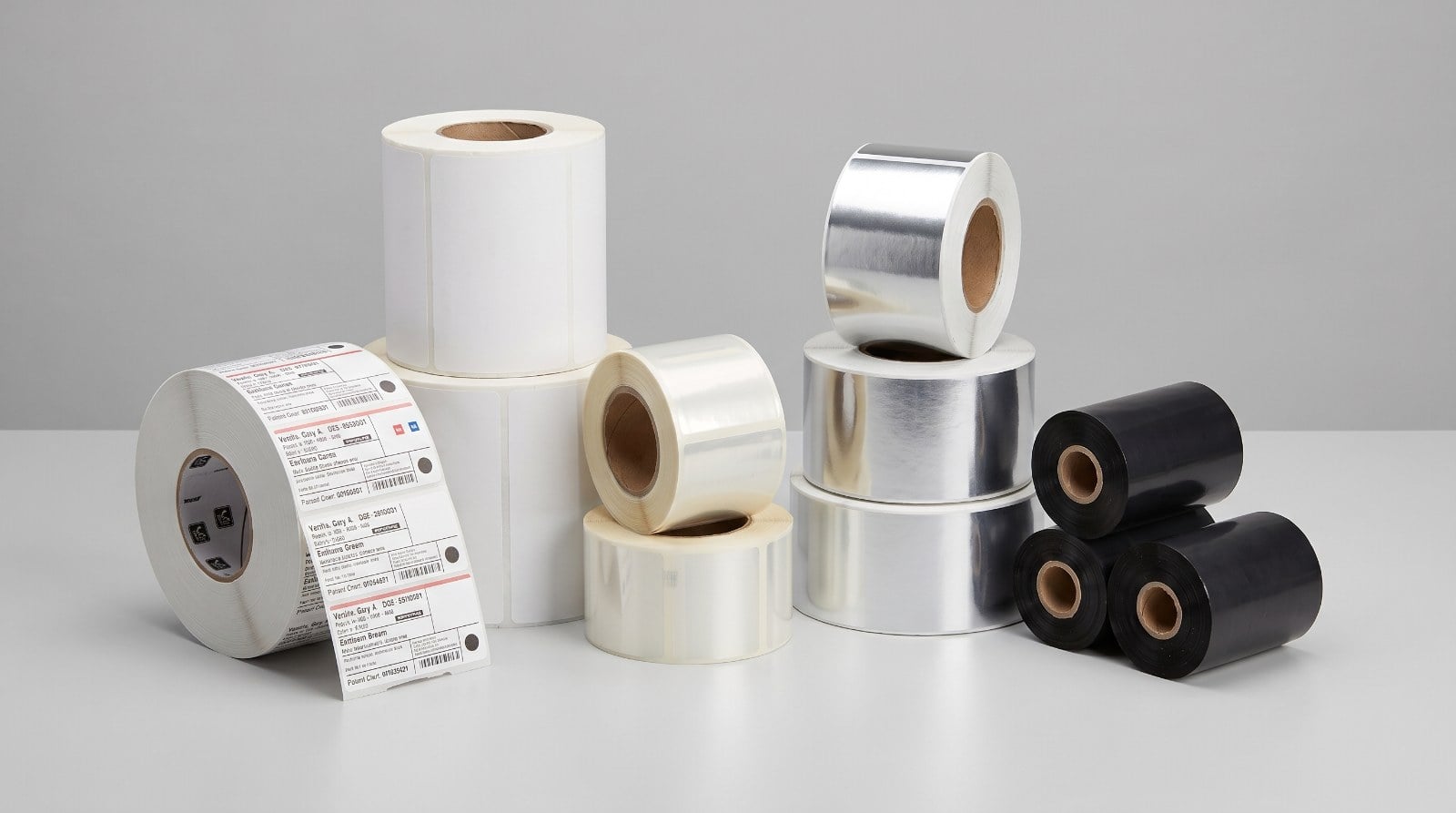
Choosing the right barcode label material Barcode label material has to be matched to three things: the surface it sticks to, the environment it lives in, and how long it needs to stay readable. Get any of those wrong and the label either falls off, becomes unreadable, or costs three